What Is a Vertical Drama? The Short-Form Format Explained

On this page
If you have scrolled past a phone screen full of arguing spouses, hospital corridors and office confrontations and wondered what is a vertical drama, the short answer is this: a scripted series shot in portrait mode and built to be watched on a phone, one short episode at a time. It is not a trailer, not a clip, and not a web series squeezed into a narrow frame. The whole production, from framing to episode length to the way each part ends, is designed around a handset.

The rest of this guide explains the vertical drama meaning, how these shows are structured, where the format came from, and which titles are worth trying first.
What Is a Vertical Drama? A Plain Definition
A vertical drama is a scripted fiction series made for the 9:16 aspect ratio. That is the shape of a phone held upright, and it changes almost everything about how a scene is staged.
Vertical drama meaning in one sentence
A vertical drama is a short-episode scripted series, filmed in portrait orientation, released in many parts, and intended to be watched on a mobile device. In practice, what is a vertical drama comes down to three things: portrait framing, short episodes, and a story told across many parts.
Vertical micro drama, vertical short drama, vertical drama series: the same idea
You will see several labels for the same thing. "Vertical micro drama" and "vertical short drama" usually point to the same format. "Vertical drama series" emphasises that it is a continuing story rather than a one-off. Some outlets talk about minute-long TV shows, which describes the episode rhythm rather than a different genre. If you are searching for what is a vertical micro drama, the answer is the same as above, with "micro" simply signalling the very short runtime.
How it differs from a normal TV episode
A standard television episode assumes a wide screen and a viewer sitting still for 40 minutes. A vertical drama assumes a thumb, a commute, and a few spare minutes. Characters stand closer together. Backgrounds matter less. Faces and hands carry more of the story.
What Is a Vertical Drama Series Built Like?
The format has a recognizable shape, and once you notice it you will spot it in every app.
Episode length and episode counts
Episodes are short, often only a couple of minutes, and a single series can run to dozens or even hundreds of parts. Story arcs stretch across those parts rather than resolving inside one.
Hooks and cliffhangers
Every episode needs a reason for the next tap. That usually means ending on a reveal, a confrontation or a decision. In this format the cliffhanger is not a writing trick used occasionally. It is the basic unit of pacing.
The look: close framing and quick inserts
Portrait framing rewards tight shots. Two people talking fill the screen, and small inserts (a phone screen, a ring, a contract, a text message) do a lot of explanatory work. Because the frame is narrow, movement is used carefully and cuts come quickly.
Where the Format Came From
The Chinese duanju wave
The modern version of the format grew out of Chinese short drama production, often called duanju, which built a large audience on mobile apps before the style travelled elsewhere.
From app-only titles to wider attention
Coverage has since moved into mainstream film and TV press, with outlets treating vertical dramas as a business and craft story rather than a curiosity. Screenwriting and filmmaking publications now discuss them alongside other changes in how audiences watch.
What Does Vertical Drama Mean for Storytelling?
Romance leads, revenge follows
Romance is the biggest category, and the darker end of drama is close behind. Betrayal, revenge and status reversals show up constantly because they create instant conflict with very little setup.
Tropes do the work
Contract marriage, mistaken identity, secret identity, face slapping, second chances and billionaire love interests are staples. Tropes are not a shortcut here. They are the promise the viewer is tapping for, and series are marketed by their tropes as much as by their plots.
Vertical drama videos and clips
Because episodes are short, individual parts travel easily as vertical drama videos on social feeds. That is often how people find a series in the first place.
How Vertical Dramas Are Paid For
Once you know what is a vertical drama, the next practical question is how much watching one costs. The common pattern is a free opening stretch followed by paid episodes. Some apps sell coins or episode unlocks; others offer subscriptions, and some mix the two. Because a series can run for a very long time, the cost of finishing one can add up, which is why many viewers check how a platform charges before they start.
Vertical Drama List: Series You Can Start With
If you want a place to begin, Runotoon is one option that plays in the browser with no app to install, and the first 10 episodes of each series are free. It is a straightforward way to test the format before committing to anything, and its catalog is organized by genre and trope. You can browse it at Runotoon.
A few titles that show what the format does well:
- I Married My Billionaire Nemesis in Three Hours, a Romance with Enemies to Lovers, Contract Marriage and Billionaire tropes across 35 episodes.
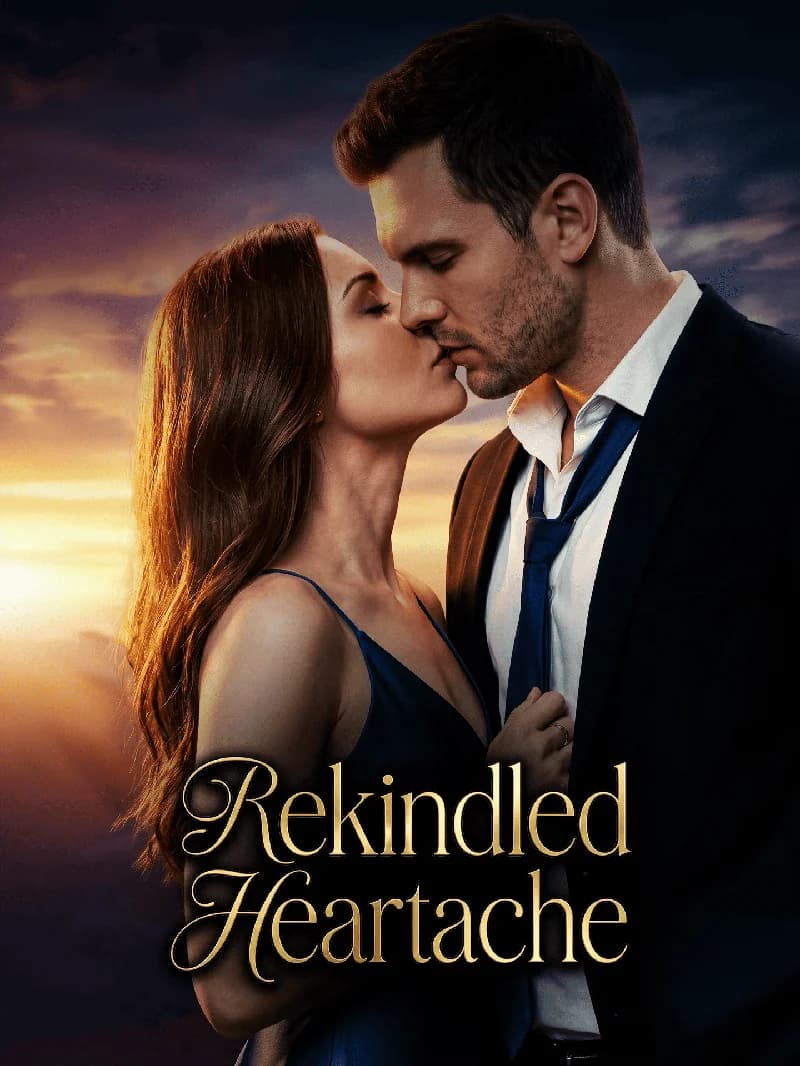
- Rekindled Heartache, a Romance built on Second Chance and Betrayal, and one of the longest here at 1016 episodes.
- Faking as My Brother: My Hockey Roommate's Dirty Desire, a Romance using Secret Identity, Mistaken Identity, Young Adult and Academy tropes in 43 episodes.
- I Mistook The Blind Billionaire For My Brother's Dog, a Romance with Mistaken Identity and Billionaire tropes in 28 episodes.
- Wrong Vows, Right Exit, a Drama with Betrayal, Revenge and Face Slapping across 70 episodes.
- A Heart Nine Times Full, a Drama with All Too Late, Found Family and Angst in 76 episodes.
FAQ
Who is the most popular vertical actor?
There is no official ranking. Casting in this format moves quickly, and no industry body publishes a viewership-based list of performers, so any single name presented as the most popular is a snapshot rather than a fact.
How much do actors in vertical dramas make?
Pay varies by production, market and role, and public reporting on rates is inconsistent. There is no standard published rate card for the format, so numbers you see quoted should be read as examples rather than rules.
What is the most popular vertical drama?
No reliable, widely accepted chart exists. Popularity shifts week to week inside individual apps, and each platform measures its own audience privately, so the honest answer is that the top title depends on where you are looking.
Who watches vertical dramas?
The audience is mobile-first, and the format spread through apps before it reached general entertainment coverage. Viewers tend to watch in short bursts on a phone, which is exactly what the episode structure is built for.
Are vertical dramas AI?
The titles people watch on the major apps are normally scripted and performed by actors. AI tools come up in production conversations, but the format itself is a distribution and framing choice, not a technology.
Where can I watch vertical dramas?
Most are inside dedicated short drama apps, and some, including the Runotoon titles above, play in a browser. If you want to check whether the format works for you, start with a free opening run of episodes rather than paying for a full series up front.