
What Is a Xianxia Drama? Cultivation Fantasy Explained
On this page
If a synopsis mentions flying swords, meditation in mountain caves, sect rankings and characters who live for a thousand years, you are looking at a xianxia drama. The label comes from Chinese fantasy fiction, and it has become one of the most searched genre tags among international viewers of Chinese-language shows. This explainer covers what the word means, how Chinese cultivation works on screen, how the genre differs from wuxia, and where these stories are easiest to watch.
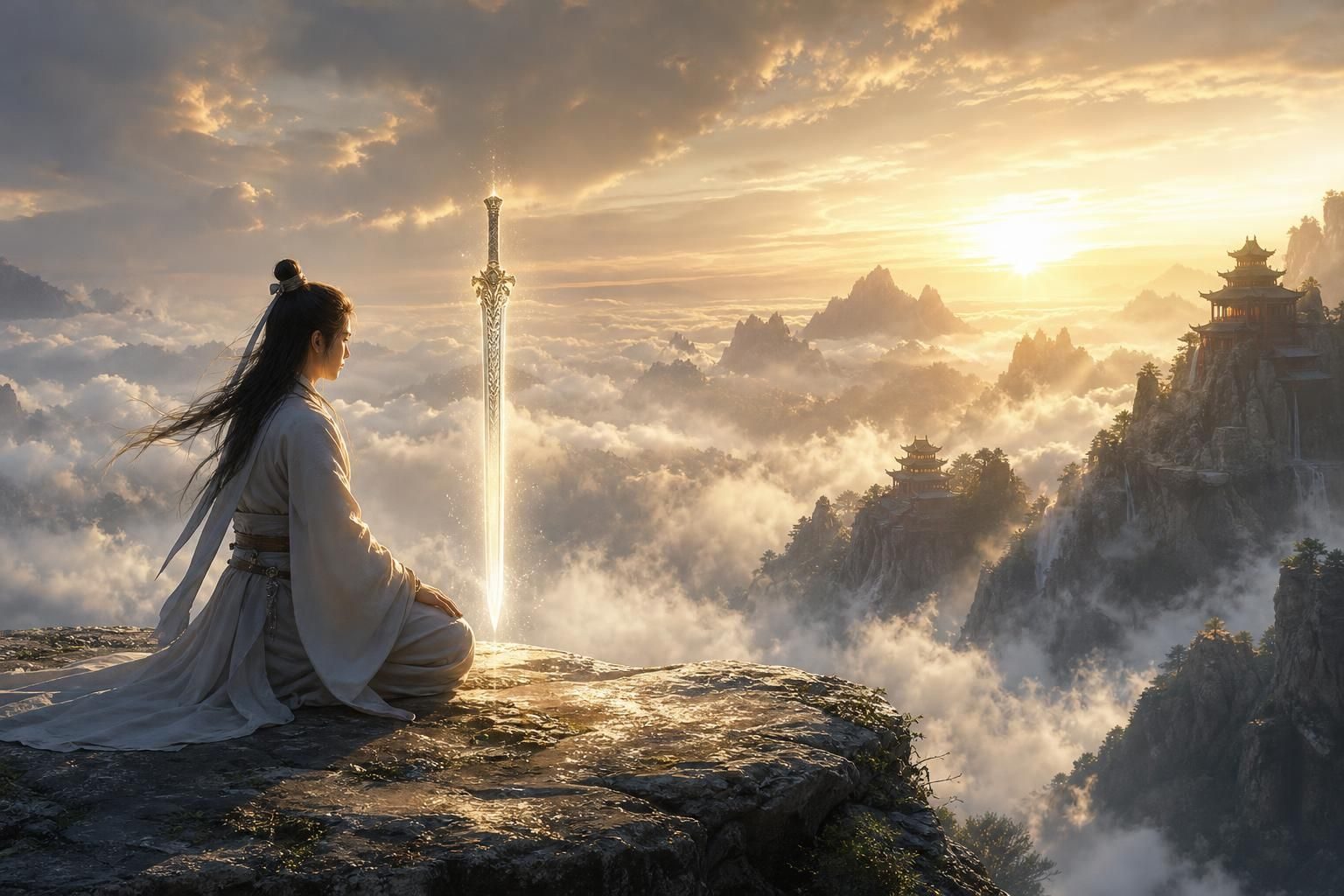
What Does Xianxia Mean?
Xianxia is built from two Chinese words: xian, meaning immortal or transcendent, and xia, meaning hero or knight-errant. Put together, the term describes stories about people who pursue immortality and the powers that come with it. Wikipedia's entry on xianxia places the genre inside Chinese fantasy shaped by Taoism, Buddhism, Chinese mythology and martial arts traditions. It started in literature and now covers comics, animation, games and television, which is how most English-speaking viewers meet it.
What Is a Xianxia Drama? The Core Elements
A xianxia drama takes those fiction conventions and turns them into episodic television. Settings are usually pre-modern: sect compounds on mountain peaks, imperial courts, hidden realms entered through portals or formation arrays. The plot engine is almost always the same. Someone starts weak, finds a method or a teacher, and climbs a ladder of power while rivals, elders and heavenly rules try to stop them.
Chinese Cultivation: The Engine of the Plot
Chinese cultivation is the practice of refining body and spirit to gain power and lengthen life. In fiction it becomes a system. A cultivator gathers qi, meditates, refines pills, learns techniques and breaks through stages, each one pushing them further from ordinary mortality. Breakthroughs work like level-ups: they can be earned, stolen, blocked by a damaged core, or triggered by a moment of insight. A cracked foundation, a hidden manual or a rare herb can drive an entire season.
Xianxia Characters and Their Roles
Casts follow a recognizable pattern: the overlooked beginner, the stern sect elder, the senior disciple who sees a rival, the friend who dies early, the demonic cultivator working outside the rules, and the immortal who has lived so long that human concerns bore them. Xianxia characters are usually defined by obligations rather than power levels, whether that is a vow to a master, a debt to a clan, or a bond that survives reincarnation. Hidden bloodlines, erased memories and sealed powers are standard furniture.
Powers, Sects and Worldbuilding
Sects behave like schools, employers and political factions at once. They own territory, teach techniques to insiders, and punish deserters. Add flying swords, spirit beasts, talismans, storage rings, soul lamps and pill refinement, and you get a world with its own economy. Time also works differently. A single meditation session can last years, and an immortal may meet a descendant of someone they once knew.
Wuxia vs Xianxia: What's the Difference?
Both genres come out of Chinese martial arts storytelling, and both feature skilled fighters, rival schools and revenge plots. The difference is scale and the rules of the world. Wuxia stays human. Heroes have extraordinary martial skill, lightness techniques that let them cross rooftops, and internal energy, but nobody becomes a god. Xianxia pushes past that line into immortality, demons, reincarnation, heavenly courts and timelines that run for centuries. If the leads can live a thousand years and argue with heaven, it is xianxia. If they can defeat thirty men and then need a month to heal, it is wuxia.
Where Romance Fits
Many viewers arrive through romance, and a large share of xianxia drama seasons are love stories first and cultivation stories second. The usual obstacles are sect rules, a heavenly law that forbids the match, a reincarnation cycle that keeps pulling two people back together, or a memory one of them chooses to erase. Plenty of series go the other way and lean on sect politics, tournament arcs and power progression. A few reviews will tell you which kind you have found.
How Fans Find the Best Xianxia Dramas
There is no official canon, and rankings shift with taste. Most recommendation traffic runs through fan lists on MyDramaList, threads in Reddit communities such as r/cdramasfans and r/CDramaRecs, Facebook drama groups, and YouTube compilations like the recurring top 10 best xianxia videos. A title that tops one list may be missing from another, because viewers weight different things: romance, fight choreography, costume design, how logical the cultivation system is, or whether the ending is happy. A practical method is to read three or four lists, note which titles keep appearing, then check reviews for the thing you personally care about. If a happy ending matters to you, look that up before starting, since fan wikis usually note how a series finishes.
What Is Cultivation Fantasy in English?
Cultivation fantasy and progression fantasy are the English-facing labels for the same idea. Western readers usually meet the structure through translated web novels and, more recently, through short vertical dramas that borrow the weak-to-strong rise, the system that measures power, and the rival who underestimates the hero. You do not need prior knowledge of Chinese mythology to follow them, because most stories explain their own rules as they go.
Cultivation Stories You Can Watch in a Browser
If you want to test the format before committing to a long Chinese series, short vertical dramas are a lighter entry point. Runotoon is one option: everything plays in the browser with no app, the first 10 episodes of each series are free, and later episodes unlock with coins. Its catalogue is fantasy and system drama rather than Chinese television, but several titles use cultivation and progression ideas:
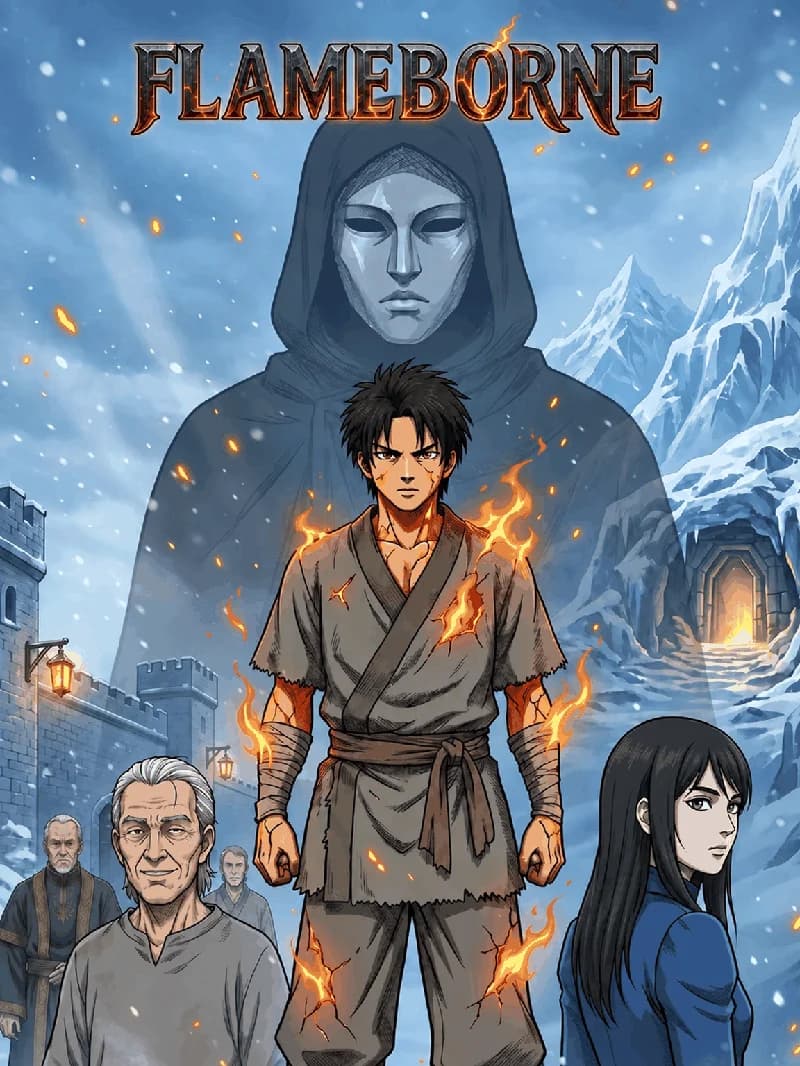
- Flameborne: fantasy with weak to strong, cultivation, rags to riches and betrayal. The setup is a man who could not cultivate, a woman who left him, and one drink that changes everything.
- Sigil Of The Seven: an academy setting with a magic system, a chosen-one thread and weak-to-strong progression.
- Only One Race: system, cultivation and hidden-heir tropes in one fantasy frame.
- Sword Deity: rejection and betrayal push a weak protagonist upward.
- Culinary Cultivation: an isekai with transmigration, a system and cultivation attached to cooking.
Episodes are short, so you can judge the style in a few minutes instead of a few evenings. You can browse the full catalogue at Runotoon.
FAQ
What does a xianxia drama mean?
It is a Chinese fantasy series about mortals who train to become powerful cultivators and, eventually, immortals. Expect sect politics, magic techniques, long lifespans and conflicts that involve gods and demons as much as people.
What is the most famous Xianxia drama?
There is no title everyone agrees on. MyDramaList lists, Reddit recommendation threads and YouTube top 10 videos disagree with each other, and the answer depends on whether you value romance or worldbuilding. Look for titles that appear across several lists, then check the tone before you start.
What is the difference between wuxia and xianxia drama?
A wuxia story keeps its heroes human: martial skill, honor and grudges inside a historical world. A xianxia drama adds magic, cultivation stages, immortals, demons and reincarnation, and its timelines can span centuries.
What is the latest Xianxia drama?
New titles appear every year, and release schedules change faster than any static article can track. MyDramaList and genre threads on Reddit are updated as shows air, so those are the better place to check what is current.
Do xianxia stories always include romance?
No. Many are romance-first, with a couple separated by sect law or reincarnation. Others focus on cultivation progression, tournaments and sect conflict, with romance as a side thread or not present at all.
Do I need to know Chinese mythology first?
No. Most series introduce their own power rules and hierarchies early, and fan wikis explain terms like qi, core formation or spiritual roots if a show moves too fast.